Behind the Lens and the Lines
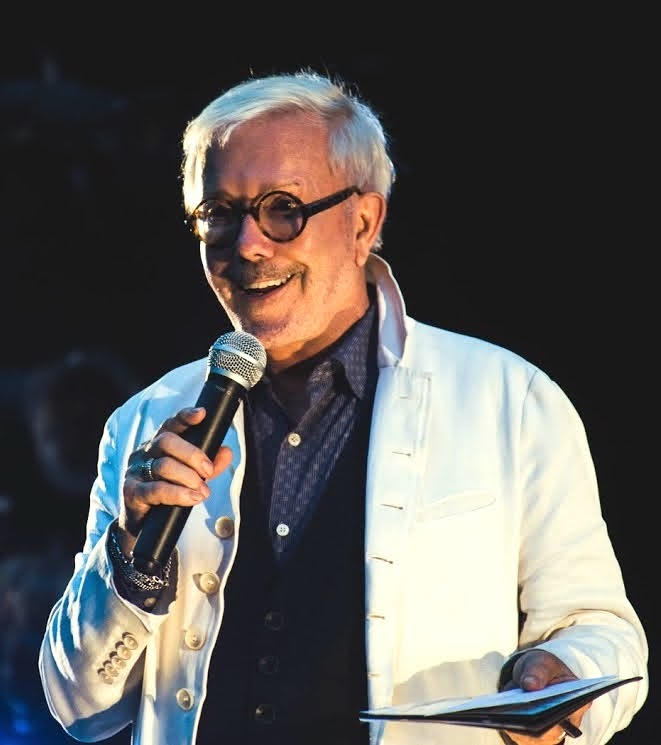
Renowned fashion makeup and hair artist and writer James Weis takes readers behind the scenes of the extraordinary world of high fashion in the 1980s and 1990s—a world he didn’t research from a distance. He lived it.
It was an era of remarkable creativity and breathtaking excess. Studio 54, Area, Danceteria, and Paris’s Le Bains Douches became epicenters of glamorous chaos fueled by sex, drugs, rock and roll, money, ambition, and fame. Models became international celebrities. Photographers became stars in their own right. Fees for the most sought-after photographers, models, makeup artists, and hair stylists skyrocketed. Linda Evangelista’s infamous declaration that she and other supermodels didn’t “wake up for less than $10,000 a day” came to symbolize an industry in which almost anything seemed possible.
But beneath the glamour was another world—one of exploitation, addiction, fierce competition, and lives that sometimes unraveled as spectacularly as careers were made.
Weis was there for much of it. And he took notes.
For more than two decades, he kept journals filled with the people, places, conversations, triumphs, absurdities, and tragedies he witnessed. Eventually, those observations found their way into his fiction.
One of the most influential people in Weis’s life was Annie Flanders, founder and editor of Details magazine. The original Details chronicled a downtown New York populated by artists, photographers, performers, designers, writers, and personalities who were redefining the culture around them. Photographers including Steven Meisel and Bruce Weber contributed to its pages, while its writers chronicled a world inhabited by figures such as Keith Haring, Julian Schnabel, and Jean-Michel Basquiat.
Annie, a doyenne of Andy Warhol’s downtown Manhattan, became both friend and mentor to Weis. Her advice about writing was wonderfully simple:
“Write—and write some more—we can always take it out.”
Years later, Weis encountered bestselling author John Berendt, whose advice proved equally lasting:
“Write the kind of book you like to read.”
Weis did.
After six years, twenty-nine rewrites, countless hours of research, and more than a few moments of doubt, Sixty Hours ’Til Sunset emerged.
The novel begins in Paris in 2043, where Mackey McGill, one of the most celebrated fashion photographers of his generation, has reached the age of ninety-seven and made a final decision about how his life will end. During his last sixty hours, a story buried for more than eighty years begins to unfold.
It reaches back to Louisville in 1962, when the teenage Mackey suffers a devastating loss he never fully understands. What appears to be abandonment becomes a mystery that follows him for twenty-five years, even as he escapes his past and rises through the worlds of Paris, Milan, and New York to become one of the defining photographers of the fashion era.
When the truth finally emerges, it changes everything Mackey believed about the person he lost—and about his own life.
Although Sixty Hours ’Til Sunset is fiction, the worlds through which Mackey travels are drawn from places Weis knew intimately. The studios, fashion shoots, personalities, excesses, ambitions, and peculiar rituals of that era come from a lifetime spent behind the lens, even when the characters and the story belong to the imagination.
Weis’s writing grew from a career that extended well beyond fiction. In 1983, he contributed the hair and makeup text to model Ann Harper’s The Big Beauty Book, one of the early beauty books created specifically for fuller-figured women. His creative contributions were also acknowledged in Elizabeth Geitz’s 2012 nonfiction work, I Am That Child.
Today, Sixty Hours ’Til Sunset is published, but Weis is far from finished telling stories. His other works draw from an equally remarkable collection of lives, places, and experiences—from the privileged circles of New York society and the world of fashion to the arts, France, and the twelve years he spent creating and operating the Inn on the Blue Horizon on the Caribbean island of Vieques.
His forthcoming works include Cold Irony: The Richer the Circles, The Sharper the Knives; Surrounded on All Sides by Water: Vieques and Inn on the Blue Horizon; The French Violinist; and Boy at the Barre, with several other works in development.
After a lifetime spent helping create images, James Weis has turned his attention to creating them with words.
Behind the lens, he was watching. Now he’s telling the stories.


